


Beyond Grades: Rethinking Success in Singapore’s Education System
Singapore’s education system has long been recognised for its strong academic outcomes, with students consistently performing well on the global stage. Academic excellence remains a key strength—but increasingly, there is a growing recognition that success in education should go beyond examination results.
Recent conversations led by the Ministry of Education (MOE), including its first public engagement session chaired by Minister for Education Desmond Lee, reflect a broader national shift. The focus is no longer just on how students perform in exams, but on how we can better prepare them for life in an increasingly complex and dynamic world.
The question we should be asking is not simply “How well do students score?” but “How well are we equipping them to thrive?”
Moving Beyond the “Education Arms Race”
During the engagement session, participants explored ways to reduce the pressure surrounding high-stakes examinations and place greater emphasis on holistic development.
Key areas discussed included:
- Moderating the role of examinations such as the PSLE
- Reviewing the Direct School Admission (DSA) scheme
- Strengthening Character and Citizenship Education (CCE)
- Enhancing the role of Co-Curricular Activities (CCA)
- Supporting students in developing resilience, values, and life skills alongside academic achievement
Minister Desmond Lee emphasised that education should not be viewed as a competition, but as a journey that enables every child to grow and develop holistically.
This builds on ongoing reforms such as Achievement Levels (ALs), Full Subject-Based Banding (Full SBB), and the expansion of diverse education pathways—each recognising that students have different strengths, interests, and aspirations.
Success Is Not Defined by One Examination
One story shared during the session stood out.
Constance Han, now an environmental science student at Nanyang Technological University, reflected on her journey through the Normal (Academic) stream, progressing to the Institute of Technical Education, then Singapore Polytechnic, and eventually university.
Her perspective was simple yet powerful:
“We are in school to learn, not to compete with each other. When we remove the pressure from exams, we then have space to explore and pursue our strengths.”
Her journey is a reminder that success is rarely linear. Students grow at different paces, discover new interests over time, and often find their path through routes that may not have been obvious at the start.
Character, Values and Life Skills Matter
While academic knowledge opens doors, long-term success increasingly depends on qualities that cannot be measured by grades alone.
- Communication.
- Leadership.
- Adaptability.
- Teamwork.
- Empathy.
- Critical thinking.
These are often developed beyond the classroom.
Co-Curricular Activities (CCA), community involvement, leadership opportunities, and programmes like Direct School Admission (DSA) recognise that students contribute in diverse ways. Whether through sports, the arts, STEM, or service, these experiences help build confidence, resilience, and collaboration—skills that are highly valued in both higher education and the workplace.
Equally important is student well-being.
Participants at the engagement session highlighted that mental health and happiness must remain central to educational decisions. Academic achievement should support a child’s growth—not define it.
Multiple Pathways, One Goal
Singapore’s education system has evolved significantly over the past decade.
Today, students can pursue multiple pathways through secondary schools, polytechnics, the Institute of Technical Education (ITE), junior colleges, private institutions, and universities.
Each pathway offers meaningful opportunities for growth.
Rather than asking which pathway is “best,” perhaps the more important question is:
Which pathway allows each student to realise their fullest potential?
When students are supported in discovering their strengths, they are more likely to stay motivated, build confidence, and pursue fulfilling futures.
What This Means for Educators and Parents
For educators and parents, this shift calls for a broader perspective on success.
It means recognising that:
- Every student learns differently
- Growth is not always linear
- Strengths extend beyond academics
- Well-being is just as important as achievement
Supporting students today requires balancing academic rigour with emotional support, opportunities for exploration, and space for personal development.
What This Means at Hanbridge Institute
At Hanbridge Institute, these conversations resonate strongly with our educational philosophy.
Our mission is to nurture students who are able to realise their full potential and achieve their individual aspirations for education and career choices.
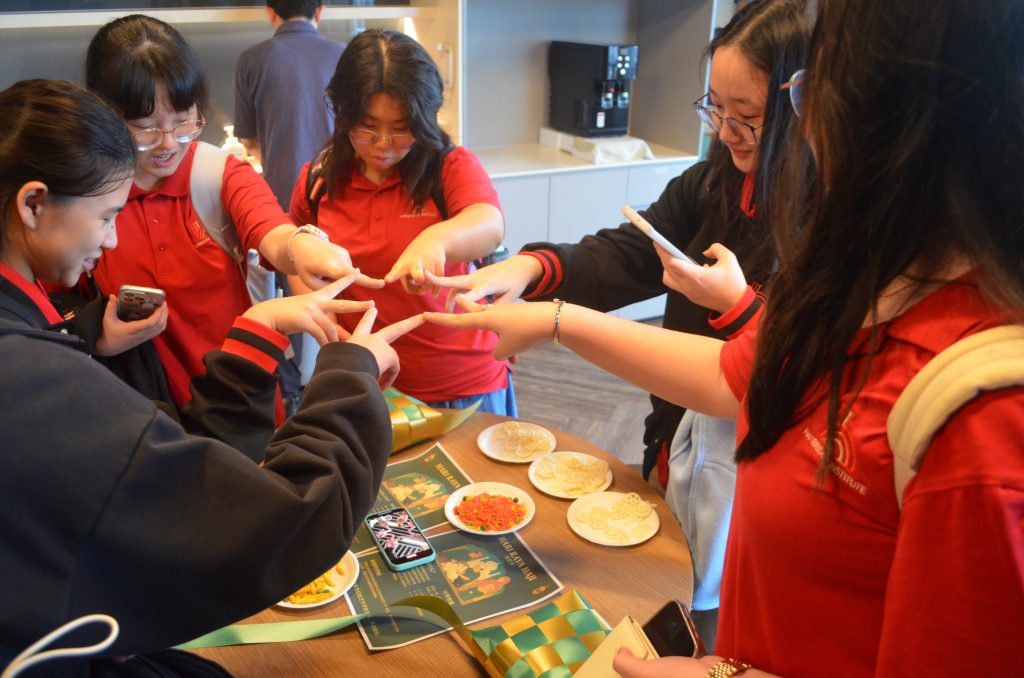
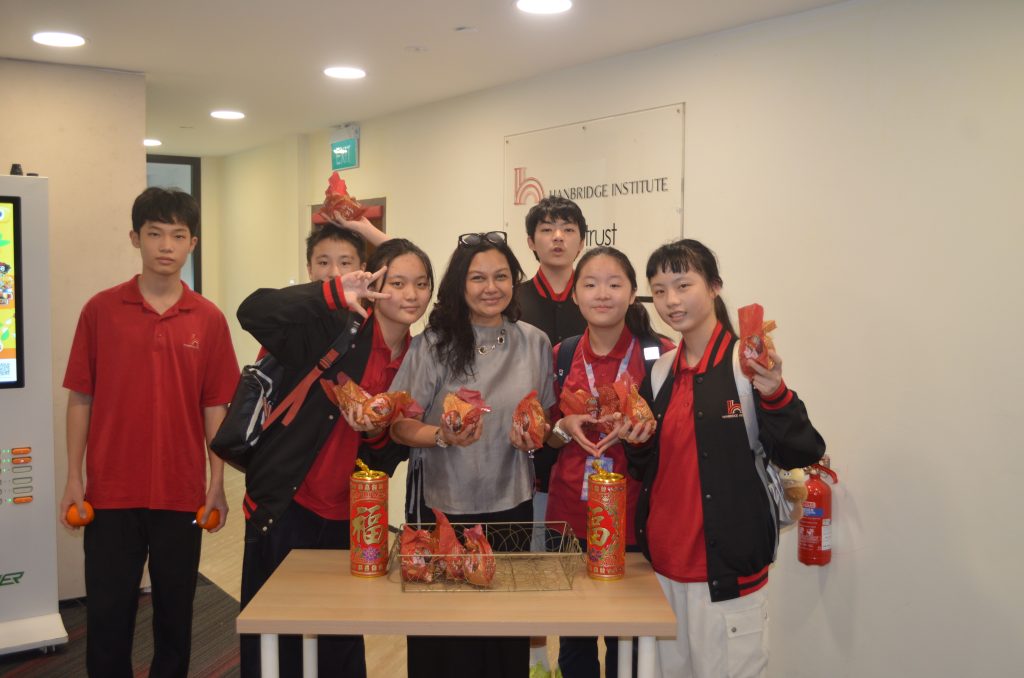
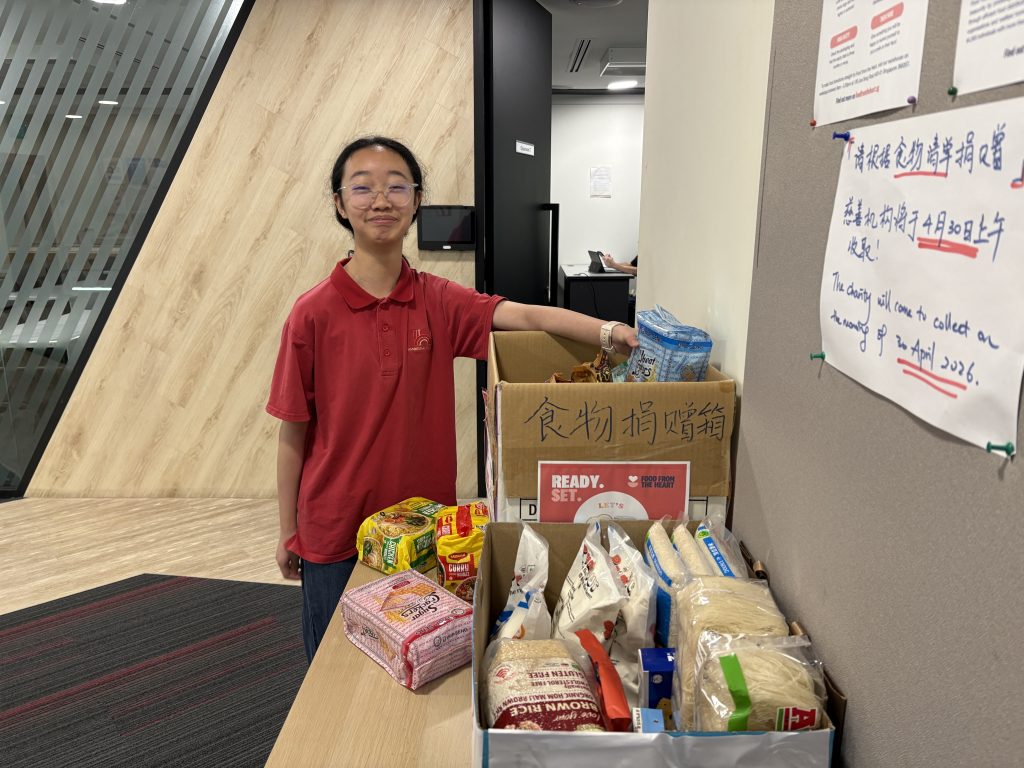
We seek to bring this philosophy to life through experiences beyond the classroom, including monthly activities that expose students to Singapore’s culture, sharing sessions with industry professionals such as entrepreneur Ms Joanne Lee, and supporting students throughout their educational journeys—from preparing for the AEIS to progressing through Singapore’s education system.
These experiences reinforce the idea that education is about more than grades. By nurturing character, resilience, curiosity, and lifelong learning, students are better equipped to realise their potential and contribute meaningfully to society.
Education Is About Developing the Whole Person
Grades will always matter.
They remain an important indicator of academic progress and open doors to future opportunities.
But they are only one part of the picture.
Education is ultimately about helping individuals discover their strengths, build resilience, develop values, and contribute meaningfully to society.
As Singapore continues to rethink its education system, the conversation is shifting from:
“How do we help students score higher?”
to
“How do we help every student thrive?”
That is a conversation worth having.
Because when education develops the whole person instead of focusing solely on the report card, we prepare students not only for examinations, but also for life.
Sources
Hanbridge Institute. About Hanbridge Institute. Retrieved 30 June 2026, from https://hanbridge.edu.sg/about-hanbridge-institute/
The Straits Times. (2026, June 28). How do we move past fixation on grades? Big questions raised at MOE’s first engagement session. Retrieved 30 June 2026, from https://www.straitstimes.com/singapore/parenting-education/how-do-we-move-past-fixation-on-grades-big-questions-raised-at-moes-first-engagement-session
The Straits Times. (2026, June 28). Reviewing exam difficulty, how PSLE results are used among ideas to lower exam stakes: Desmond Lee. Retrieved 30 June 2026, from https://www.straitstimes.com/singapore/parenting-education/reviewing-exam-difficulty-how-psle-results-are-used-among-ideas-to-lower-exam-stakes-desmond-lee
Ministry of Education Singapore. (2026, May 28). Education Conversations. Retrieved 30 June 2026, from https://www.moe.gov.sg/news/press-releases/20260528-education-conversations