



Singapore’s Rising Retirement Age: Why Lifelong Learning and Postgraduate Education Matter
In Singapore, reaching your 40s or 50s may no longer mean approaching the final stages of your career.
With Singapore’s retirement age set to increase to 65 and the re-employment age to 70 from 1 January 2029, working professionals may have more years to develop their careers, pursue new opportunities and explore different professional pathways.
As Singapore prepares for an ageing workforce, an important question emerges: If our working lives are becoming longer, should we also rethink how we approach education and career development?
Singapore’s Changing Workforce Landscape

Singapore’s workforce is ageing, but experienced professionals continue to play an important role in the economy.
According to a recent Straits Times opinion article, the proportion of resident workers aged 50 and above increased from 34.1% in 2015 to 39.9% in 2025. Furthermore, 62.9% of residents aged 50 to 59 held professional, managerial, executive, and technician (PMET) roles, highlighting the considerable experience and expertise within this age group.
The planned increase in retirement and re-employment ages reflects Singapore’s efforts to support longer working lives and retain experienced workers. For individuals, it also presents an opportunity to reconsider their long-term career goals and how they can continue developing professionally over the coming decades.
Why Lifelong Learning Matters in a Longer Career
Traditionally, education has often been viewed as something completed before entering the workforce. However, as careers extend across several decades, the knowledge and skills acquired earlier in life may need to be updated or complemented.
With industries evolving and workplace expectations changing, lifelong learning allows professionals to build on their existing experience while developing new capabilities. This could involve strengthening leadership and management skills, gaining specialised knowledge or becoming more familiar with emerging technologies.
Rather than replacing years of professional experience, continued education can complement existing expertise, helping individuals remain adaptable and better prepared for changing responsibilities throughout their careers.
Is It Too Late to Consider a Career Change at 40 or 50?

For professionals who have spent many years in the same industry, the prospect of changing careers may seem daunting. However, a longer working life also creates more opportunities to explore alternative professional pathways.
For example, an experienced professional working in operations may wish to move into business management, while someone with extensive industry knowledge may consider transitioning into consulting or advisory roles.
These transitions do not necessarily mean starting from scratch. Skills such as communication, problem-solving, leadership, and industry knowledge can often be transferred across different roles and sectors.
Further education, including postgraduate study, may help individuals bridge knowledge gaps, deepen their understanding of a new field, and prepare for different professional responsibilities. However, the suitability of a qualification depends on the requirements of the intended career and the individual’s existing experience.
How Can a Master’s Degree Support Career Development?
For working professionals considering further education, pursuing a Master’s degree can be an opportunity to develop deeper expertise while gaining new perspectives on their chosen field.
Postgraduate programmes often explore advanced concepts, strategic decision-making, and practical applications, allowing students to connect academic knowledge with real-world professional challenges.
For example, a professional seeking to progress into leadership may consider an MBA to strengthen their understanding of business strategy and management. Meanwhile, individuals interested in international business, education or emerging technologies may explore specialised Master’s programmes relevant to their career aspirations.
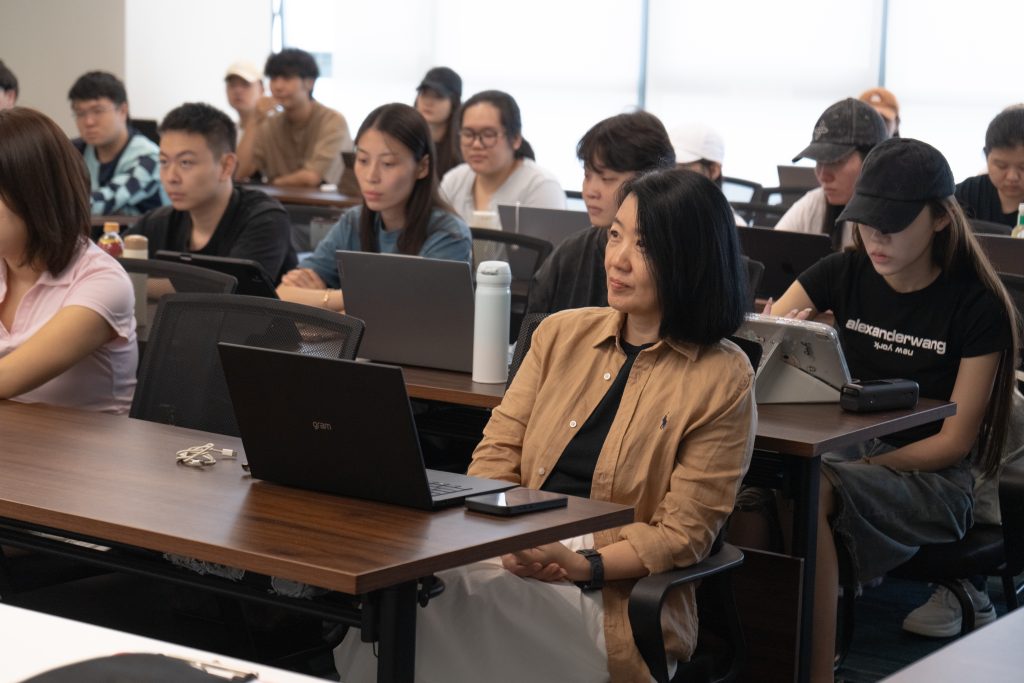
Beyond acquiring an additional qualification, postgraduate education can also encourage professionals to reassess their existing knowledge, challenge established ways of thinking and develop new approaches to workplace challenges.
Nevertheless, a Master’s degree should be viewed as one of several possible pathways for professional development rather than a guaranteed route to career advancement.
Exploring Postgraduate Education at Hanbridge Institute
At Hanbridge Institute, we believe that education is a continuous journey, with opportunities for personal and professional growth at different stages of life.
Through our academic partnership with the University of Suffolk, UK, Hanbridge Institute offers postgraduate programmes in business, management, education and technology.
Our Master of Business Administration (MBA) provides an opportunity for professionals to develop their understanding of business leadership, management and strategic decision-making. For those interested in global business environments, the MSc International Business and Management explores key concepts relating to international business and organisational management.
Professionals interested in technology may consider the MSc Data Science and Artificial Intelligence, while individuals working in education can explore the MA Education to further develop their understanding of educational practice and leadership.
These programmes offer different learning pathways for individuals seeking to build on their existing experience or explore new areas of professional development.
Learning Beyond the Classroom: A Graduate’s Perspective
Every student’s educational journey is different. For some, pursuing postgraduate education represents an opportunity to build on years of professional experience, while for others, it marks the beginning of a new chapter.
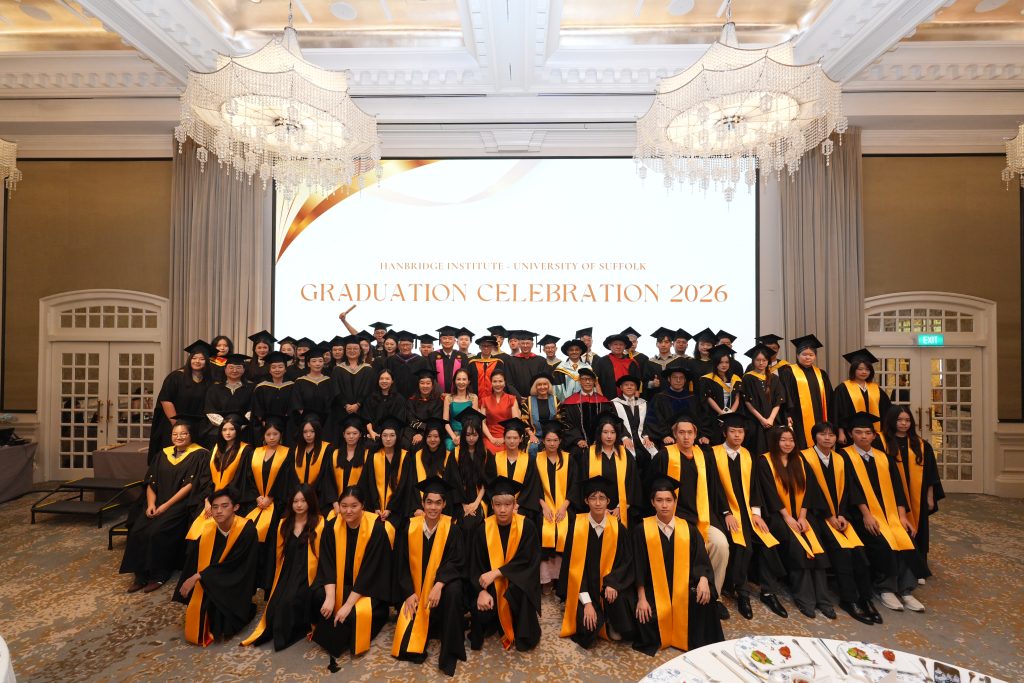
Hear from Cao Hui, a Hanbridge Institute graduate, as she shares her reflections during our graduation ceremony.
Her graduation speech offers a personal perspective on the learning journey and the significance of reaching an academic milestone.
These experiences reflect how postgraduate education can form part of an individual’s continuing journey of personal and professional development.
Conclusion: A Longer Career Means More Opportunities to Grow
Singapore’s changing retirement landscape encourages us to reconsider how we approach our working lives.
For professionals in their 30s, 40s and 50s, career development does not necessarily have to follow a single, fixed pathway. With more years potentially available to pursue professional goals, individuals may choose to strengthen their expertise, explore different career directions or return to education.
Whether through professional training, postgraduate education or practical experience, continued learning can help individuals build on their strengths and prepare for future opportunities.
A longer working life is not simply about working for more years. It is also about making those years meaningful.
Considering the next step in your professional journey? Explore the postgraduate programmes offered at Hanbridge Institute and discover how further education could support your learning goals.
Sources & References
The Straits Times . Singapore can’t afford to retire its most experienced workers early. November 2026. Available at:
https://www.straitstimes.com/opinion/singapore-cant-afford-to-retire-its-most-experienced-workers-early
Ministry of Manpower. Retirement and re-employment age. July 2026. Available at:
https://www.mom.gov.sg/employment-practices/retirement