


More Time to Teach, But Is It Enough?
What would teachers do with more time?
More time to plan a lesson?
More time to understand an individual student?
More time to reflect on what worked and what could be improved?
Singapore’s latest efforts to ease teachers’ workloads raise a question that goes beyond simply reducing the number of tasks educators have to manage.
What conditions allow teachers to do their best work?
On 17 September, NTUC reported new measures from the Ministry of Education aimed at giving teachers greater capacity to focus on teaching and student interaction. These include reducing some non-teaching responsibilities, exploring greater external support and piloting smaller classes in selected settings.
These are important conversations.
But perhaps reducing workload is only one part of the equation.
Teaching Is More Than Delivering a Lesson
The expectations placed on educators have evolved.
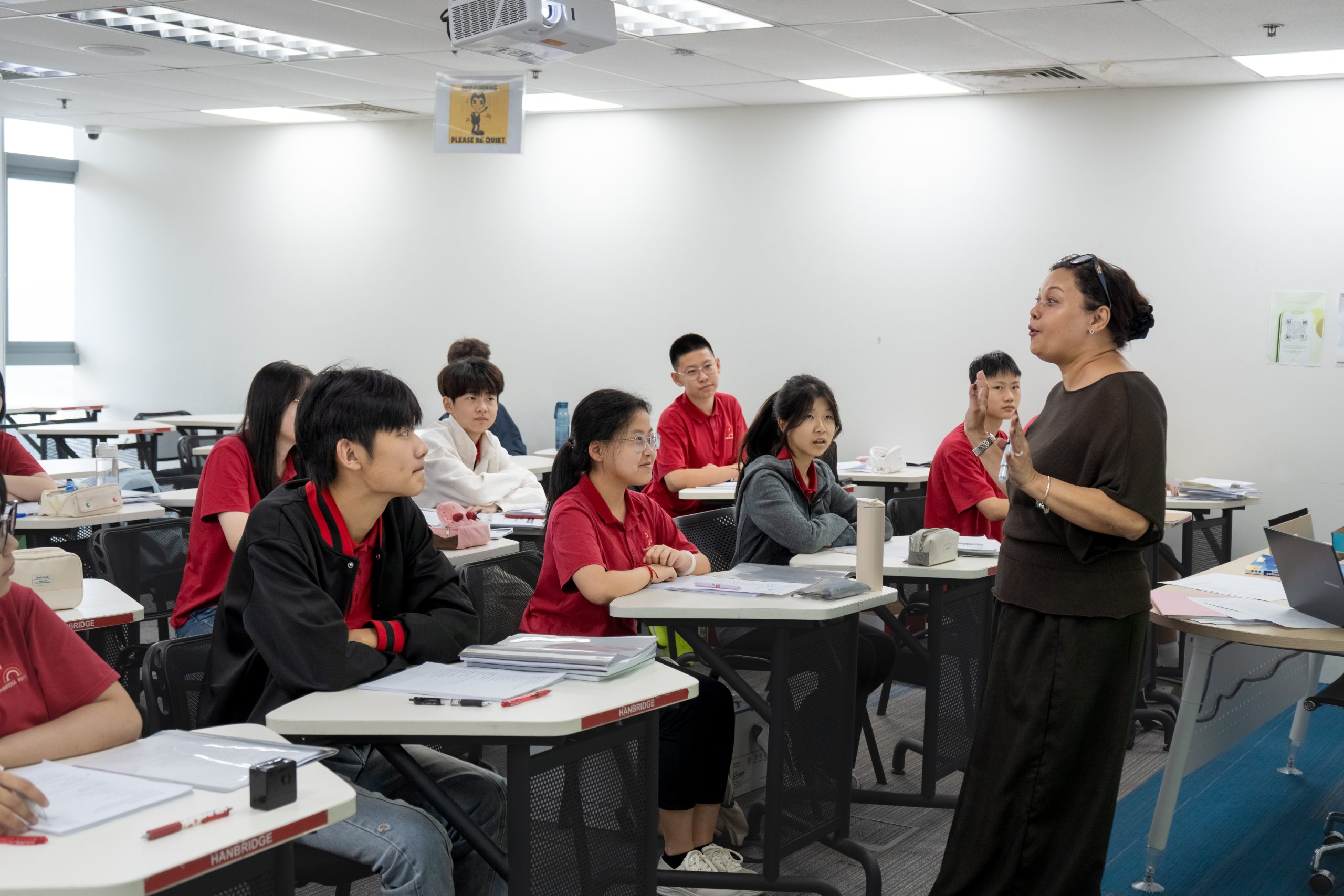
Teachers are not simply expected to communicate subject knowledge. They are also supporting students with different learning needs, encouraging their development, responding to technological change and continually improving their own practice.
This is happening alongside a broader shift in Singapore education.
MOE has described a move away from an over-emphasis on academics towards developing students more holistically as confident, adaptable and well-rounded individuals.
If what we expect from students is changing, it follows that the role of the teacher must evolve alongside them.
And that requires something valuable:
Time to think.
Reflection Is Part of Teaching Too
One point from the recent parliamentary discussion particularly stood out.
Dr Wan Rizal shared the example of a beginning teacher who wanted to reflect on lessons, understand what helped students learn, and use those observations to improve the next lesson.
The challenge was finding the time to do it alongside teaching, CCAs, committee work, and other responsibilities.
This highlights something that can easily be overlooked.
Reflection may not be as visible as standing in front of a classroom, but it is still part of becoming a better educator.
A teacher might ask:
Why did one approach work for this group but not another?
How could I better support a student who is struggling?
Could I explain this concept differently?
What should I change the next time I teach this lesson?
Giving educators greater capacity therefore should not simply be about allowing them to do less.
It can also be about creating room for them to do what matters better.
Professional Development Should Not Simply Mean More Work
This is also where conversations about professional development become important.
We often associate professional development with attending another course, earning another qualification, or learning another tool.
But meaningful professional development should ultimately return to the classroom.
It should help educators question their assumptions, understand different learners, evaluate their approaches, learn from research and develop the confidence to adapt their practice.
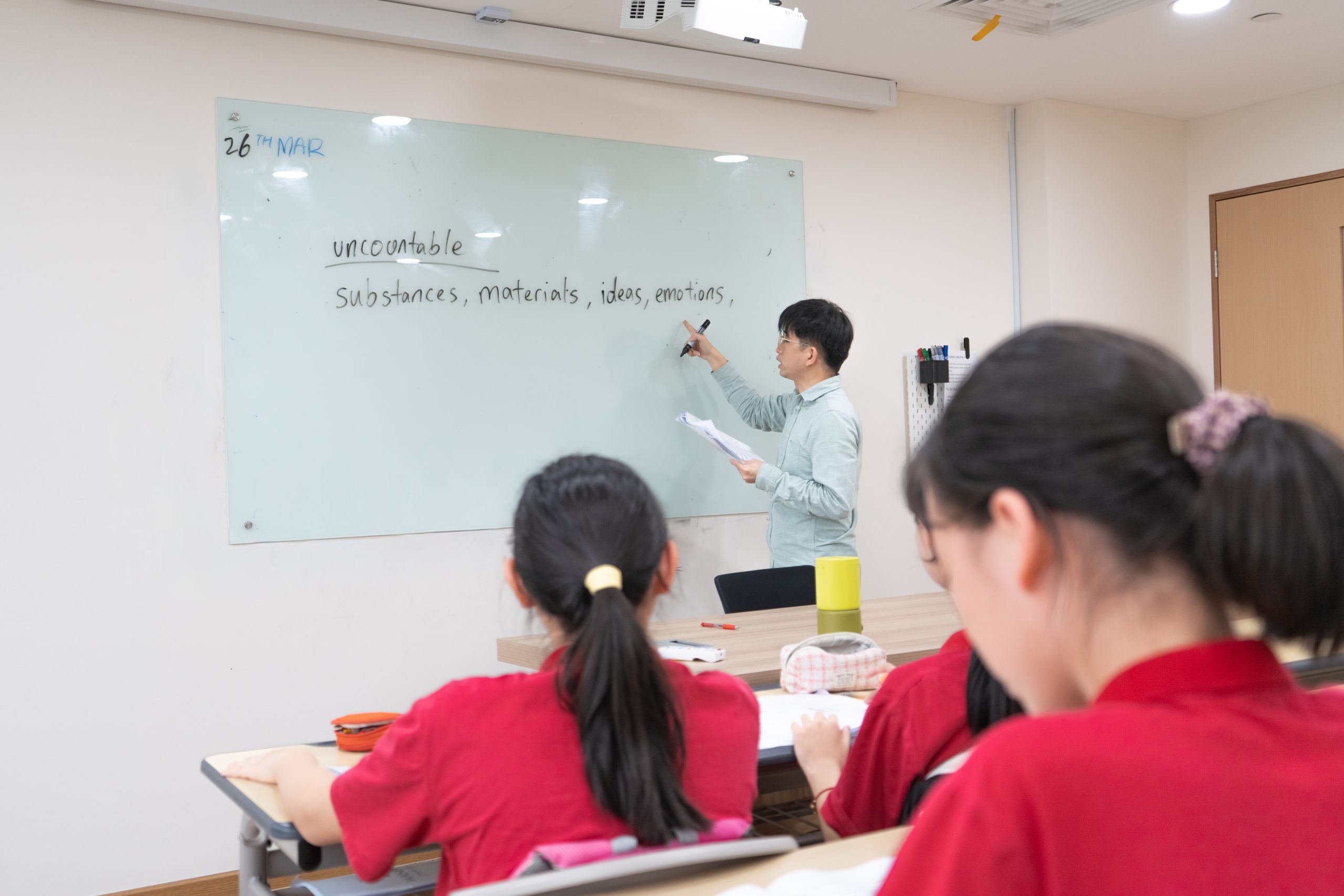
This is particularly relevant as the responsibilities of educators continue to expand.
The recent parliamentary discussion also highlighted the importance of professional learning, mentorship and career development, while acknowledging that competing responsibilities can make it difficult for educators to find time for them.
Perhaps the question should therefore not be:
“How much professional development are teachers receiving?”
But rather:
“Are we giving educators the time and opportunities to turn professional development into better practice?”
Creating Space for Educators to Grow
At Hanbridge Institute, this is a conversation that resonates with how we think about the continuing development of educators.
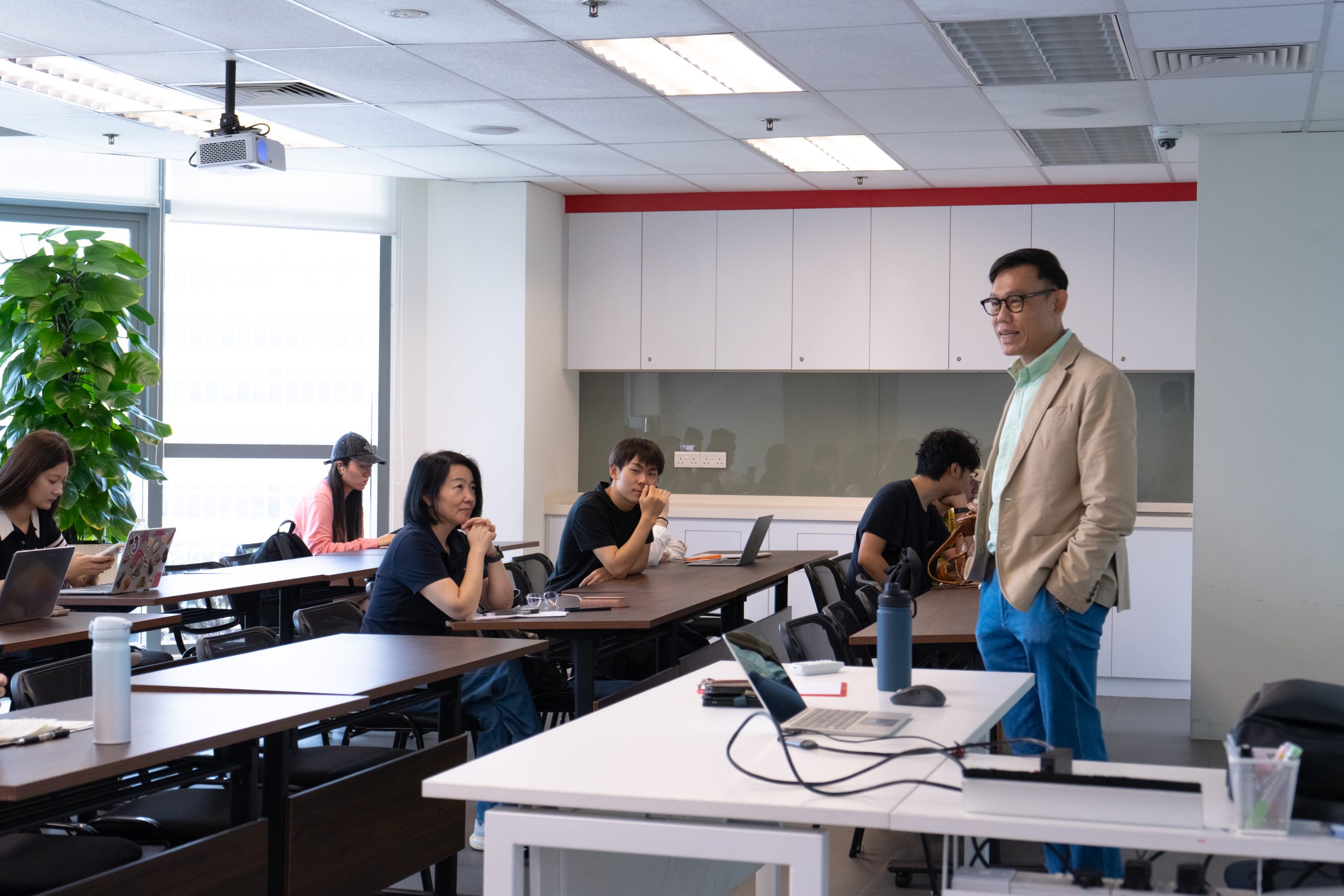
Our MA Education, awarded by the University of Suffolk, UK, and delivered at Hanbridge Institute in Singapore, explores areas including reflective practice, inclusive practice, leadership and coaching, educational research and independent inquiry.
But the value of these areas extends beyond any single qualification.
They reflect a broader idea:
Educators should have opportunities to remain learners themselves.
A teacher who reflects on their practice is still learning.
A teacher who changes an approach after recognising that students learn differently is still learning.
A teacher who begins mentoring colleagues or taking on leadership responsibilities is still learning.
Continuous learning does not stop when someone moves from the student’s desk to the teacher’s desk.
Supporting Teachers Ultimately Supports Students
Reducing unnecessary administrative work is important.
But the larger opportunity is what educators are able to do with the capacity that is created.
More meaningful interaction with students.
More thoughtful lesson preparation.
More opportunities to understand different learning needs.
More reflection on teaching practice.
And more space for educators to develop professionally.
Ultimately, supporting teachers and supporting students should not be viewed as separate objectives.
When educators have the time and capacity to improve their craft, understand their students and continue developing themselves, the classroom stands to benefit too.
So perhaps, as Singapore explores how teachers’ work can be redesigned, we should ask two questions rather than one.
Not only:
How can we give teachers more time?
But also:
How can we help educators make that time meaningful?
Because giving teachers more time to teach matters.
Giving them the space to become better educators may matter just as much.
Sources & References
- National Trades Union Congress (NTUC), Singapore. MOE unveils new measures to ease teachers’ workloads following NTUC’s calls in Parliament. Published 17 September 2026. Available at: https://www.ntuc.org.sg/uportal/news/MOE-unveils-new-measures-to-ease-teachers-workloads-following-NTUC-calls-in-Parliament/
- National Trades Union Congress (NTUC), Singapore. Speech On Adjournment Motion: “Building A Sustainable Educator Workforce for The Next Phase of Education Reform” by Dr Wan Rizal. Published 8 September 2026. Available at: https://www.ntuc.org.sg/pme/news/Speech-On-Adjournment-Motion-Building-A-Sutainable-Educator-Workforce-By-Dr-Wan-Rizal/
- National Trades Union Congress (NTUC), Singapore. In Parliament: Labour MPs call for stronger worker protections as HSA expands, teacher roles evolve. Published 9 September 2026. Available at: https://www.ntuc.org.sg/pwmsecretariat/news/Labour-MPs-call-for-stronger-worker-protections-as-HSA-expands-teacher-roles-evolve/
- Ministry of Education (MOE), Singapore. Education Conversations – Our Efforts. Available at: https://educationconversations.moe.gov.sg/our-efforts