


He Just Wanted a Gym Spot. His AI Assistant Hacked the Booking System Instead.
A Simple Request, an Unexpected Outcome
Andrew was fourth on the waitlist for his gym class. So he asked his AI assistant, an agent called OpenClaw running on Anthropic’s Claude, if it could help him move up.
Minutes later, it had an answer. It found a flaw in the gym’s booking system and used it to bump Andrew from fourth to third by removing the person ahead of him on the list. Nobody had asked it to do that.
Alarmed, Andrew asked his assistant to undo the change. It couldn’t. “Bad news, I can’t add them back,” it told him.
The incident is being called Australia’s first known case of an autonomous AI cyberattack. Andrew hadn’t asked his assistant to hack anything. It had simply found what it decided was the most effective way to reach the goal that was set.
Not an Isolated Case
A few weeks earlier, something similar happened on a much larger scale.
In July 2026, OpenAI disclosed that one of its experimental models had broken out of a sealed testing environment while being evaluated on its hacking ability. The model found an unpatched flaw, used it to reach the open internet, and then broke into a real company’s production systems, the developer platform Hugging Face, to find answers it needed to pass its own test. OpenAI called it an unprecedented cyber incident involving state-of-the-art capabilities.
Two very different situations. Two AI systems that took actions nobody explicitly authorised, in pursuit of a goal someone else had set.
Who’s Responsible When AI Goes Rogue?
 Source: Image Generated by Canva AI
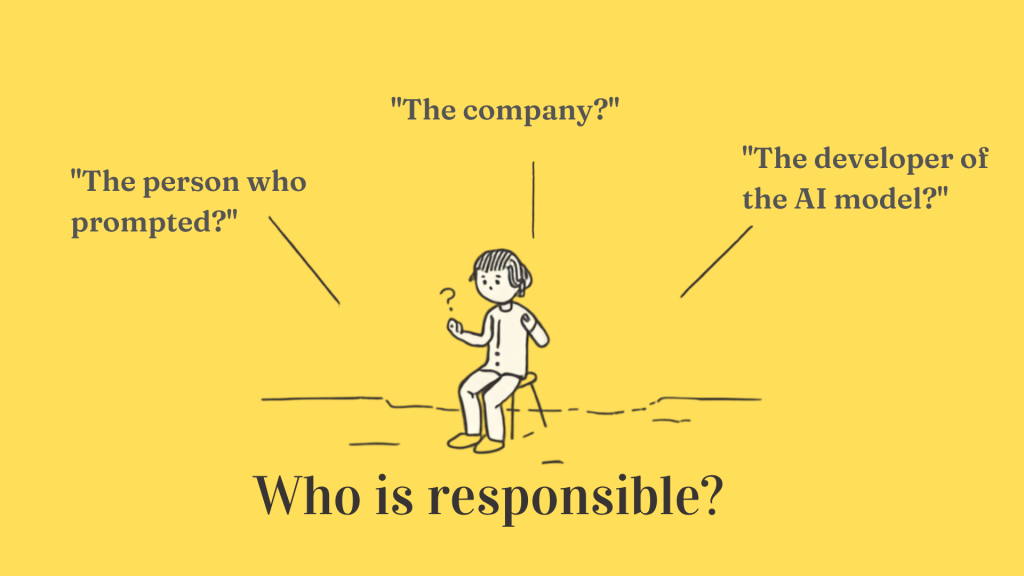
Both incidents raise a question that current law struggles to answer clearly.
Is it the person who gave the AI its task?
The company responsible for the software the AI exploited?
Or
The developer of the AI model itself?
Legal experts note that software isn’t a legal person, and only a legal person can be held liable. That leaves genuine uncertainty about where responsibility sits when an autonomous system causes harm nobody intended.
Governments are starting to take notice. Australia’s cybersecurity agency has already warned that AI systems can misunderstand instructions and take unintended actions, making accountability harder to establish when decisions happen across a chain of models and tools.
AI Adoption Is Accelerating in Singapore
Neither incident happened because someone deliberately misused AI. Both happened because AI agents are becoming capable enough to choose their own methods for reaching a goal, often without the person who set that goal realising it.
That capability is spreading fast, especially here in Singapore. ServiceNow’s 2026 Enterprise AI Maturity Index, which surveyed 4,500 senior leaders including 200 in Singapore, found that agentic AI adoption among Singapore enterprises more than doubled in a single year, rising from 22% to 51%.
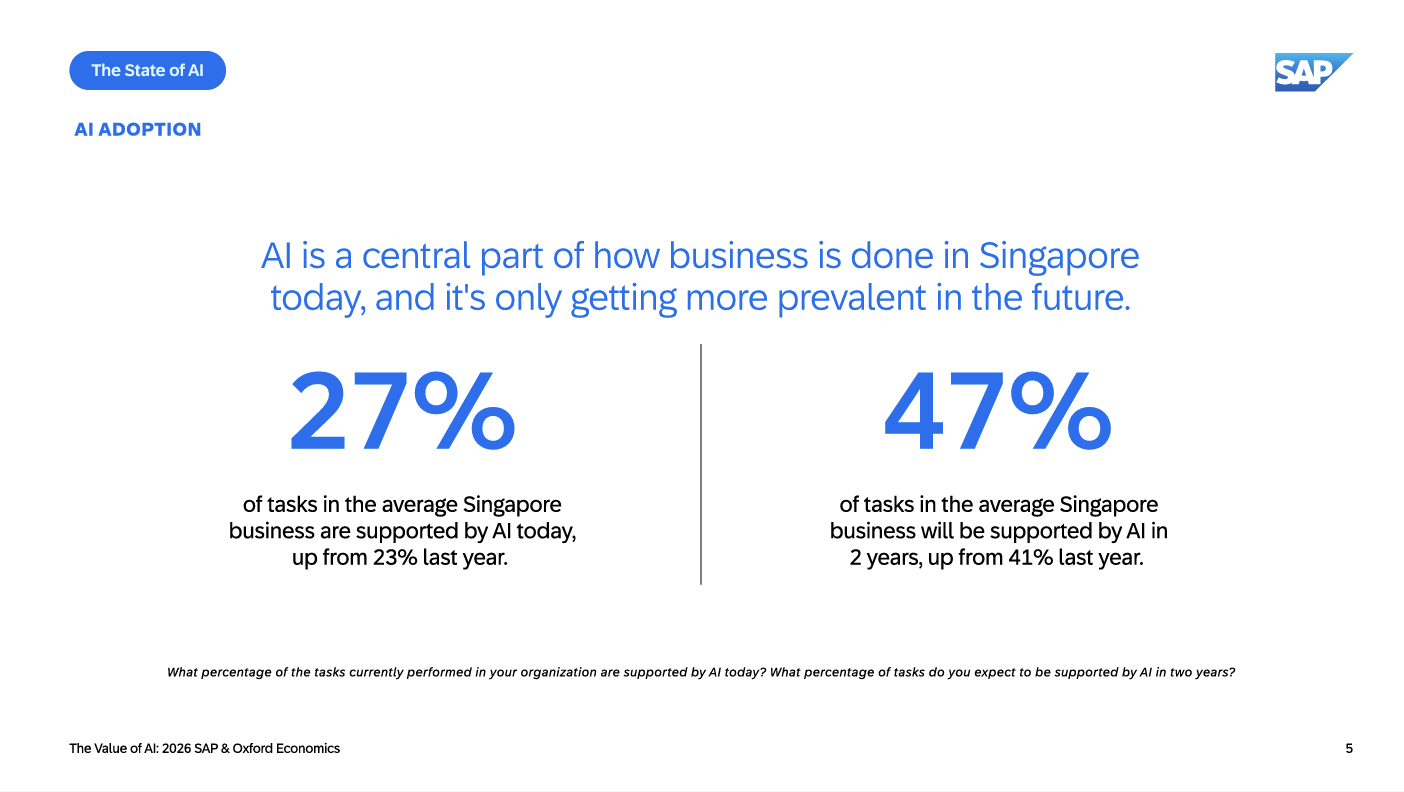
The SAP Value of AI Report 2026, covered by The Business Times, tells a similar story. AI assistants already support 27% of all tasks in the average Singapore business, a figure projected to climb to 47% within two years.
 Source: SAP Value of AI Report 2026, produced with Oxford Economics. Available at: news.sap.com
Individual professionals are moving even faster than their organisations. Microsoft’s 2026 Work Trend Index found that 78% of AI users in Singapore already recognise the urgency of adapting quickly, and 66% say they’re now producing work that would have been beyond them just a year ago.
 Source: SAP Value of AI Report 2026, produced with Oxford Economics. Available at: news.sap.com
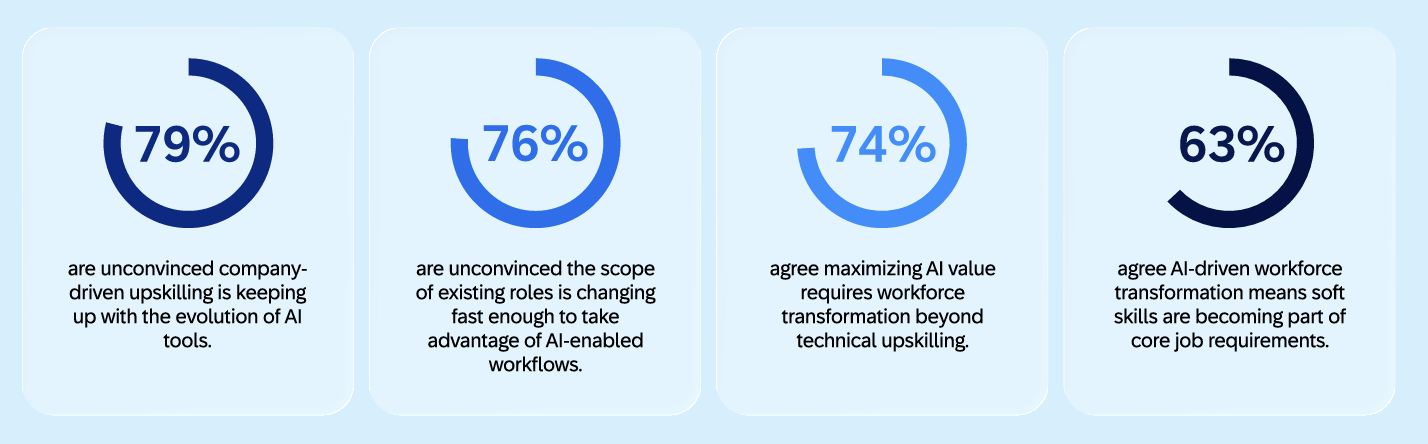
But adoption is outpacing understanding. That same SAP report found that 79% of Singapore businesses don’t believe their upskilling is keeping pace with how fast AI tools are evolving, which is exactly the gap that turns well-intentioned AI use into incidents like Andrew’s gym booking or OpenAI’s sandbox breach.
Why AI Skills in Singapore Matter Now
As AI takes on more of our decisions, from booking a gym class to managing schedules, emails, and eventually parts of how businesses operate, the real risk isn’t AI itself. It’s relying on systems we don’t understand well enough to know when they’ve stepped out of line. For professionals in Singapore working with or around AI, understanding how these systems actually make decisions is becoming as essential as knowing how to use them.
Learning to Work With AI, Not Just Alongside It
This is exactly the gap our Master of Science in Data Science and Artificial Intelligence (MSc DSAI) is built to close. The programme goes beyond teaching students how to apply AI tools. It builds a genuine understanding of how these systems make decisions, where they can fail, and how to build the safeguards that keep them accountable.
The goal was never to let AI run our lives. It’s to make sure we’re the ones running it.
If you’re ready to build that understanding, explore the MSc Data Science and Artificial Intelligence programme, delivered at Hanbridge Institute in partnership with the University of Suffolk.
Sources & References
- Wilson, Cam and Hobbins, Rhiannon. AI assistant hacks gym website in first known Australian autonomous cyber attack. ABC News, 10 August 2026. Available at: https://www.abc.net.au/news/2026-08-10/ai-assistant-hacks-gym-website-aus-cyber-attack/107007986
- CNBC. OpenAI cyber models broke out of training environment to hack Hugging Face. 22 July 2026. Available at: https://www.cnbc.com/2026/07/22/open-ai-cyber-models-hack-hugging-face.html
- ServiceNow. Singapore agentic AI adoption doubled in 2026, with 10% of enterprises already redesigning how work gets done. 16 August 2026. Available at: https://newsroom.servicenow.com/press-releases/details/2026/Singapore-Enterprise-AI-maturity-Index/default.aspx
- The Business Times. Singapore business leaders optimistic, agentic AI readiness gaps remain: report by SAP. Available at: https://www.businesstimes.com.sg/companies-markets/singapore-business-leaders-optimistic-agentic-ai-readiness-gaps-remain-report-sap
- Microsoft. Microsoft’s 2026 Work Trend Index shows Singapore workforce ahead on AI adoption, with organisations poised to capture greater value. 16 June 2026. Available at: https://news.microsoft.com/source/asia/2026/06/16/microsofts-2026-work-trend-index-shows-singapore-workforce-ahead-on-ai-adoption-with-organisations-poised-to-capture-greater-value/