


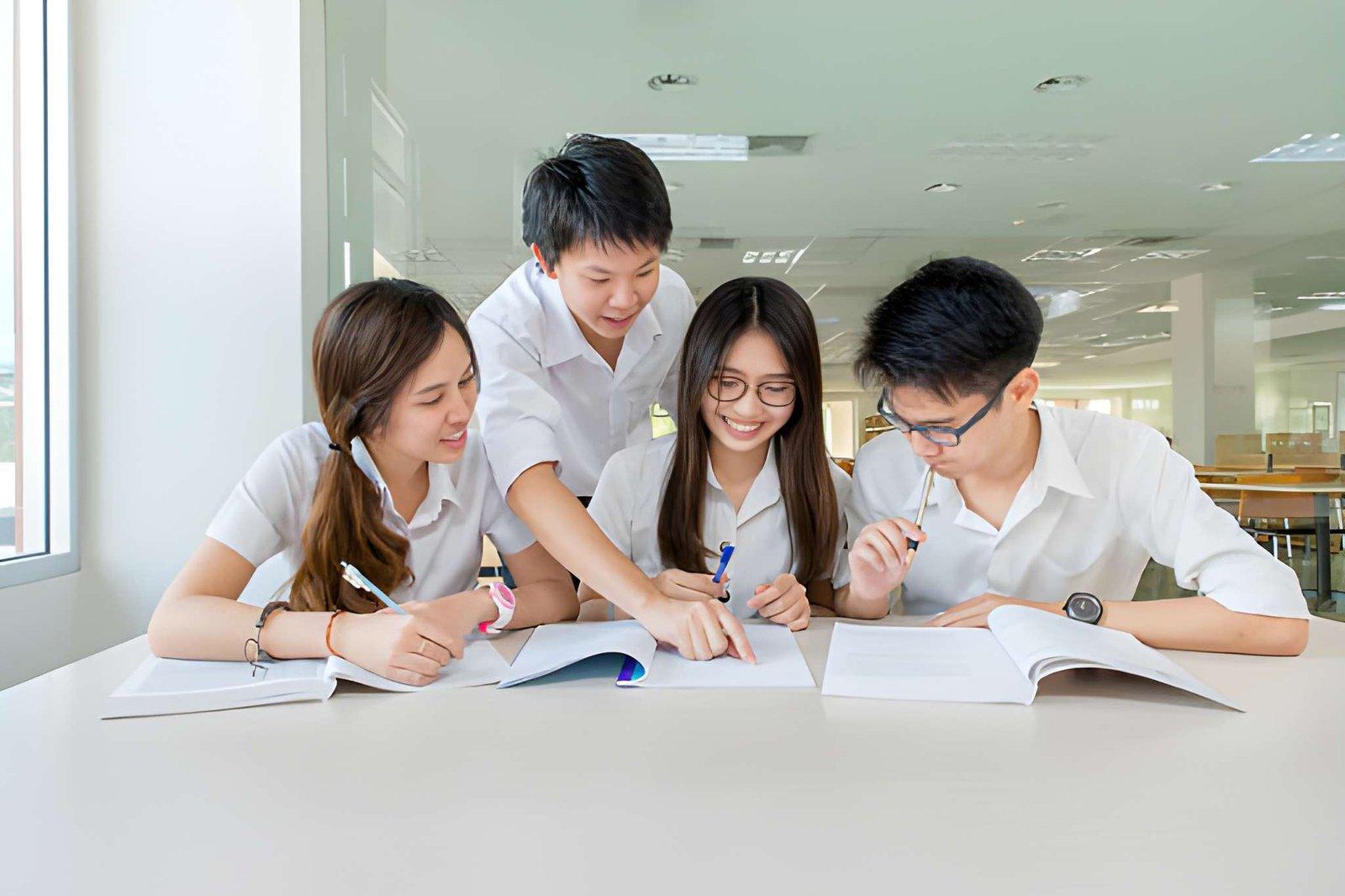
Private vs Public Education in Singapore: Which One is Right for Your Child?
Singapore is widely recognised as one of the world’s leading education systems, known for its academic rigour, multicultural environment, and strong student outcomes. For families living in the Lion City, choosing between public and private education is one of the most important decisions they will make for their child.
Public schools follow a nationally standardised curriculum with a strong emphasis on academic performance and structured progression. In contrast, private institutions often offer more flexible curricula, smaller class sizes, and diverse international programmes.
Each pathway offers distinct benefits, and the best choice depends on your child’s needs, future plans, and family circumstances.
Overview of Public and Private Schools in Singapore
When choosing between public and private schools, it is important to first understand the difference between them, how they are structured and what they offer. In Singapore, this structure is largely shaped by the national education system led by the Ministry of Education (MOE).
MOE oversees more than 180 primary schools and around 130 secondary schools across the country. These government and government-aided institutions follow the national curriculum and are the most common route for Singapore citizens and permanent residents.
On the other hand, private and international schools mainly serve expatriate families and internationally mobile students studying in SIngapore. These institutions offer a range of global curricula, including the International Baccalaureate, IGCSE, and American or Australian programmes.
Academic Quality and Teaching Approach
Public schools are globally recognised for strong academic performance, particularly in mathematics and science. The system emphasises structured learning, discipline, and mastery of core subjects.
Private schools, such as private diploma schools in Singapore, offer a wider range of educational philosophies. Many adopt inquiry-based learning approaches, such as the International Baccalaureate, whilst others follow the IGCSE or A-Level pathway. These programmes often prioritise creativity, critical thinking, and holistic development alongside academic achievement.
Admissions and Accessibility
Admission to MOE schools prioritises Singapore citizens, followed by permanent residents and then international students. Placement is centrally managed, and entry into popular schools can be highly competitive. Secondary admission is largely determined by the Primary School Leaving Examination.
Private schools offer greater flexibility. Families can apply directly to institutions based on curriculum, location, or school culture. Admissions are usually handled by the schools themselves, with rolling intake periods throughout the year.
Cost Considerations
Public education is highly affordable for citizens. Primary school fees are largely waived, whilst secondary school fees remain minimal. Even international students attending MOE schools pay relatively moderate fees.
Private and international schools charge significantly higher tuition. Annual fees typically range from about S$17,000 to more than S$50,000, depending on the institution and level. Additional costs such as registration fees and facility levies may apply.
Academic Calendar and Curriculum
MOE schools follow a January-to-November academic calendar aligned with national examinations. Students progress through a structured pathway that includes the PSLE, followed by O Levels or A Levels.
Many private schools operate on an August-to-June or August-to-July schedule, similar to education systems in the United Kingdom, the United States, or Australia. Their qualifications, such as the IB Diploma or IGCSE, are widely recognised by universities worldwide and provide flexibility for internationally mobile families.
Class Size and Learning Environment
Public schools typically have larger class sizes of around 30 to 40 students. Whilst teachers are well trained, individual attention can sometimes be more limited.
Private schools generally maintain smaller classes, allowing for more personalised learning and stronger teacher-student interaction. This environment can benefit students who thrive with closer academic support.
Extracurricular Opportunities and Diversity
Public schools provide a wide variety of Co-Curricular Activities supported by government funding and initiatives such as the Edusave scheme.
Private schools, on the other hand, often invest heavily in facilities and global programmes, including arts, sports, and leadership activities. Their student communities are also highly international, giving children exposure to diverse cultures and perspectives.
Building Your Career Path with Hanbridge Institute
Deciding which is better, public or private school, depends on your child’s goals, learning needs, and your family’s long-term plans.
For international students aiming to enter Singapore’s government schools, preparing for the AEIS or S-AEIS exams is a crucial step. This is where Hanbridge Institute plays a key role. Established in 2003 and EduTrust certified, the institute offers a specialised AEIS Preparatory Course focused on English and Mathematics.
With experienced educators and strong student outcomes, Hanbridge Institute equips learners with the skills and confidence needed to succeed.
Explore our courses today and take the first step towards your child’s academic future.
Sources
- Ministry of Education Singapore. School Admissions and Fees. moe.gov.sg
- data.gov.sg. General Information of Schools (2025). data.gov.sg
- TIMSS 2023 Singapore Encyclopedia. Singapore Ministry of Education. timss2023.org
- MOE Singapore. Revised School Fees for Non-Citizens 2024–2026. moe.gov.sg (October 2023)
- HoneyKids Asia. What It Costs to Send Kids to International School in Singapore. November 2024. honeykidsasia.com
- Tutopiya. 2024 International School Fees Structure in Singapore: A Detailed Guide. July 2024. tutopiya.com
- SingSaver. A Cost Guide to School Fees in Singapore. singsaver.com.sg
- SmartWealth. School Fees in Singapore: Total Cost of Education (2024). smartwealth.sg
- Hanbridge Institute. Official Website. hanbridge.edu.sg